Software development is full of small but time-consuming tasks — assigning issues, digging through logs, searching documentation, or writing boilerplate code. They’re essential, but they slow engineers down.
At Visteon, our software engineers are using AI to take on those tasks, freeing up time for higher-level design and complex problem-solving. The result: faster workflows, fewer bottlenecks, and more focus on building the software-defined vehicle of the future.
Everyday Tools, Smarter with AI
In recent months, our software engineers have introduced a range of AI-powered tools designed to make development faster and less repetitive. Inside the Vehicle Cockpit Development Tool, a built-in AI assistant now answers common questions, walks users through steps, and even performs actions directly in the tool — eliminating the need to jump between manuals and screens. For issue tracking, an AI triage tool predicts which team should handle each Jira ticket, ensuring problems land with the right experts and projects keep moving.
Automotive software also generates massive logs, which are notoriously time-consuming to read. The new Log Analyzer takes on that task by scanning logs automatically, explaining what’s happening, and even suggesting potential fixes. To make internal knowledge more accessible, we’ve developed the RAG Store, a searchable Visteon-based hub that processes almost any document and makes it easy to query through AI chat. Engineers can now ask plain-language questions like “What’s the coding guideline for X?” and get a direct answer.
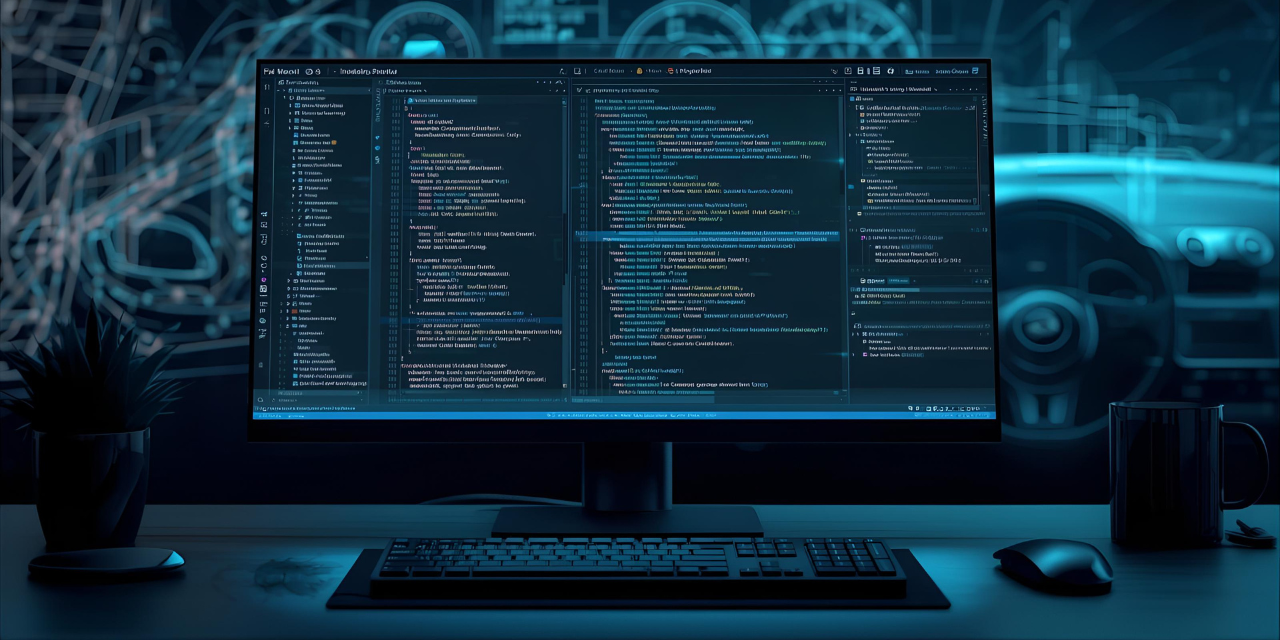
One of the clearest wins so far comes from the Continue extension in VS Code. Instead of scouring forums or combing through files, developers can simply type a question into their coding environment. AI responds instantly with solutions, code snippets, or explanations of what a piece of code is doing. While these tools don’t replace peer reviews or testing, they make the path to clean, working code significantly faster — and far less frustrating.
Another recent addition is the Software Component Garbage Cleaner, a tool built to improve code quality across our embedded projects. It automatically scans AUTOSAR-style C code to identify unused or redundant elements and suggests where clean-up is needed. By removing this “dead code,” the tool helps reduce warnings, simplify components, and make the software more reliable. Early results show it’s already making review and preparation faster, while still keeping engineers firmly in control of the final decisions.
Scaling the Benefits
To make sure these benefits spread across teams, we’re building a dedicated AI group focused on development. Their role is to experiment with new AI solutions, share successful use cases, and help other areas integrate them into daily workflows.
By turning individual tools into repeatable practices, the goal is to make AI a natural part of every engineer’s toolkit.
Looking to the Future
In the next 3–5 years, software development could look very different. Engineers may spend far less time writing raw code and far more time creating architectures, defining requirements, and ensuring quality.
“Direct coding will not be required anymore,” says one of the engineers leading this effort. “AI will take care of the implementation details. Our job will be to design well and supervise closely.”
Upcoming projects are exploring AI-driven code generation, where entire modules can be produced with the right prompts — always under human oversight to ensure safety and reliability.
Why This Matters
These innovations aren’t just about saving time. By reducing repetitive tasks and making complex information more accessible, AI tools let engineers focus on what really drives value: creating safe, reliable, and future-ready code.
It’s a small glimpse of how AI is not only supporting our work today, but also redefining what it means to be a software engineer in the auto industry.
This content has been automatically generated from the original source. Please note that the original source may have been modified since the content was generated.